
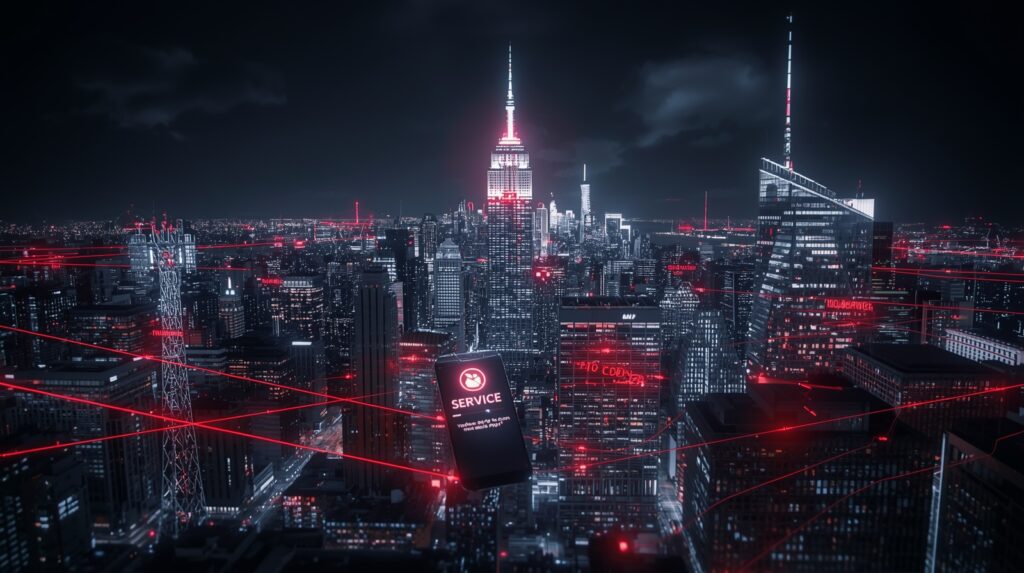
In January 2026, a widespread Verizon outage disrupted mobile and internet services across several parts of the United States. Millions of users reported problems such as no network signal, failed voice calls, slow mobile data, and complete loss of connectivity. Since Verizon is one of the largest telecom providers in the country, the outage quickly became a major technology news topic.
This incident raised serious questions about the reliability of modern telecom infrastructure. With increasing dependence on 5G, cloud-based services, and digital communication, even a short network failure can impact individuals, businesses, and emergency services. In this article, we explore what caused the Verizon outage, which services were affected, how Verizon responded, and what this means for the future of telecom networks.
What Happened During the Verizon Outage in January 2026?

The Verizon outage began unexpectedly, with users noticing sudden drops in network connectivity. Reports started appearing on social media platforms like X (formerly Twitter) and outage-tracking websites within minutes. Many customers complained about losing access to LTE and 5G services, while some users were unable to make calls or send text messages.
Early technical observations suggest that a network-level issue caused the outage, not damage to physical infrastructure.
Large telecom networks rely on complex backend systems, and even a minor configuration error can cause widespread disruptions. As traffic increased, the issue escalated, affecting users across multiple regions simultaneously.
Regions and Services Affected by the Verizon Network Failure
The Verizon outage affected both urban and suburban areas, with major cities reporting the highest number of complaints. Mobile voice calls, SMS services, and mobile internet access were the most impacted. Some customers also experienced issues with Verizon’s home internet and broadband services.
Business users relying on Verizon’s enterprise solutions, cloud connectivity, and IoT services reported temporary interruptions as well. This situation shows that telecom outages now impact not only personal communication but also critical business operations and digital services.
Possible Causes of the Verizon Outage
While Verizon did not immediately publish a detailed technical report, industry experts suggested several possible causes. One likely reason is a software-related failure, such as a faulty network update or a misconfigured routing protocol. Modern telecom networks rely heavily on automation, and even small errors can spread quickly when teams fail to detect them early.
Another possible factor is the increasing complexity of 5G infrastructure. Verizon continues to expand its 5G network, which requires constant integration between cloud servers, edge computing systems, and traditional telecom hardware. Any mismatch between these components can lead to large-scale network disruptions.
Role of Cloud Infrastructure and Automation
Telecom providers like Verizon rely heavily on cloud-based network management systems. These systems help optimize traffic, improve speed, and manage millions of simultaneous connections. However, heavy dependence on automation also introduces new risks.
If an automated process fails or behaves unexpectedly, it can affect a massive number of users at once. The January 2026 Verizon outage may serve as a case study on the importance of balancing automation with robust manual oversight and fallback systems.
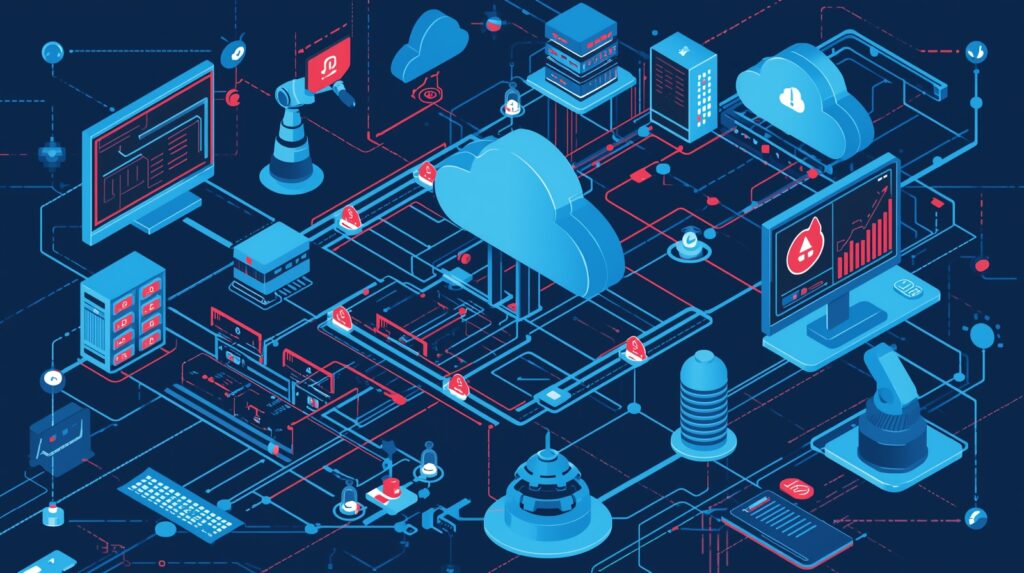
- Modern telecom outages highlight why topics like Gemini vs GPT for AI-powered decision-making systems are gaining attention in the tech industry.
How Verizon Responded to the Outage
Once the issue was identified, Verizon engineers began working to restore services as quickly as possible. The company acknowledged the outage publicly and assured customers that technical teams were actively investigating the problem. Gradual service restoration was observed within a few hours in most regions.
Verizon also stated that it would conduct a thorough internal review to understand the root cause of the outage. Such reviews typically focus on improving monitoring tools, strengthening redundancy systems, and preventing similar failures in the future.
Impact of the Verizon Outage on Users
For everyday users, the Verizon outage caused frustration and inconvenience. Many people depend on mobile connectivity for work, navigation, online payments, and communication with family members. Even short disruptions can create significant problems, especially in emergencies.
Some users also raised concerns about reliability, questioning whether a single provider is sufficient for critical communication needs. This incident encouraged many users to consider backup connectivity options, such as secondary SIM cards or alternative internet providers.
Business and Enterprise-Level Consequences
Businesses relying on Verizon’s network experienced temporary productivity losses. Retail stores, logistics companies, and remote work teams faced delays due to connectivity issues. Cloud-based applications and real-time communication tools were particularly affected.
For enterprises, the outage highlighted the importance of network redundancy and disaster recovery planning. Companies that had backup internet connections or multi-network strategies were able to minimize the impact, while others faced operational challenges.
What This Outage Means for the Future of Telecom Networks
The Verizon outage of January 2026 underscores the growing challenges faced by telecom providers. As networks become faster and more complex, ensuring stability becomes increasingly difficult. The expansion of 5G, IoT, and cloud-based services requires advanced monitoring and rapid response systems.
Future telecom networks will need stronger fail-safe mechanisms, improved testing processes, and AI-driven predictive monitoring to detect potential issues before they escalate. For users, awareness and preparedness are becoming just as important as network speed and coverage.
Lessons Learned from the Verizon Network Failure
One key lesson from this incident is that no network is immune to failure. Even industry-leading providers can experience outages due to technical complexity. Transparency, quick response, and clear communication are crucial during such events.
Another important takeaway is the value of diversification. Users and businesses should consider multiple connectivity options to reduce dependency on a single provider. This approach can help minimize disruption during unexpected outages.
Final Thoughts
The Verizon outage in January 2026 was more than just a temporary network issue. It highlighted the vulnerabilities of modern telecom infrastructure and the growing reliance on digital connectivity. While Verizon restored services relatively quickly, the incident serves as a reminder of the importance of network resilience.
As technology continues to evolve, telecom providers must prioritize reliability alongside innovation. For users, staying informed and prepared can make a significant difference during future network disruptions.