
Introduction: The Rise of Spatial Computing Technology
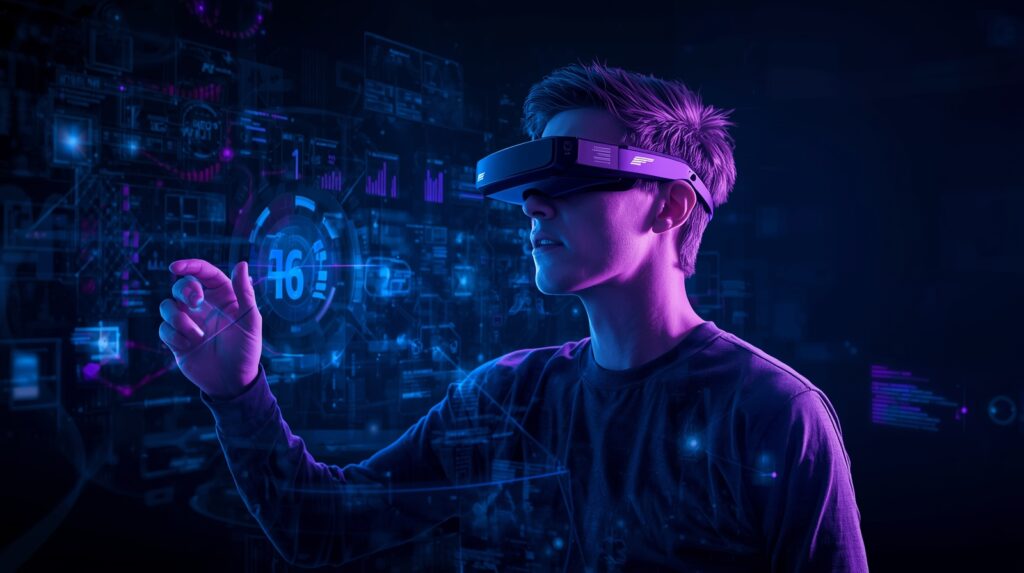
Technology is evolving fast, and Spatial Computing technology is leading the way. It’s transforming how humans interact with machines — not through screens, but through real-world spaces. This new form of computing allows users to engage with 3D digital content using gestures, voice, and even eye movement. In short, Spatial Computing bridges the gap between the digital and physical worlds, creating a more natural experience.
What Is Spatial Computing Technology?
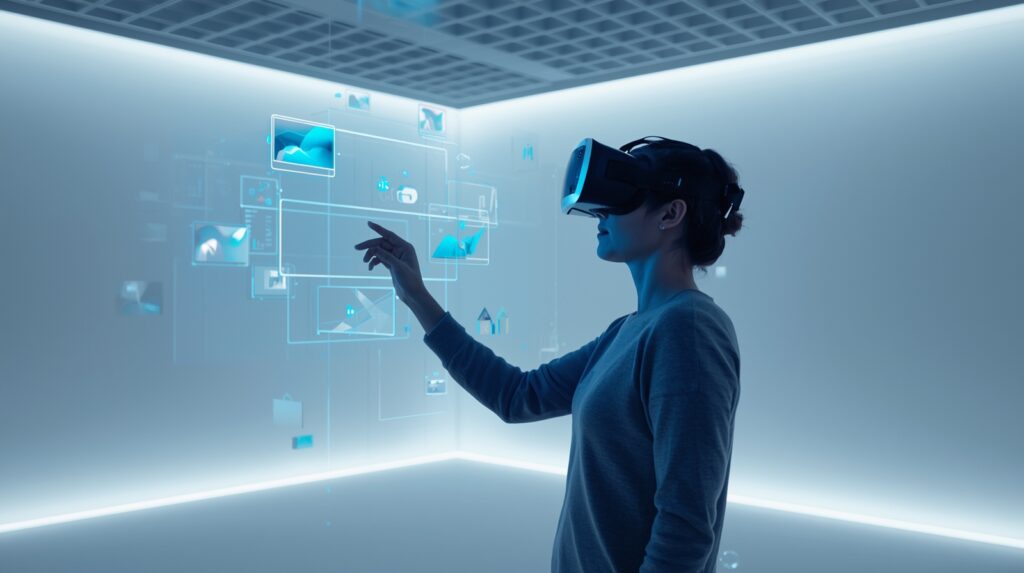
Simply put, Spatial Computing technology enables computers to understand and interact with the physical environment around us. It recognizes objects, distances, and movements — just like humans do. For example, devices such as Apple Vision Pro and Microsoft HoloLens scan real spaces and place virtual objects inside them. Moreover, this lets users move around, manipulate 3D visuals, and feel part of an immersive experience rather than just watching a screen.
If you’re fascinated by how AI is reshaping our interaction with technology, make sure to read our in-depth post on Google Project Astra – The Next Big Leap in AI Interaction.
Applications of Spatial Computing Technology
Spatial Computing Technology is changing how we work, learn, and create. In education, students can explore lessons in 3D and understand better. Doctors can plan and perform surgeries more accurately with this technology. Engineers and designers can work together in shared digital workspaces. It also improves storytelling, entertainment, and even real-estate design. In short, Spatial Computing Technology is now a real-world tool for creativity and productivity.
Challenges in Spatial Computing Technology
Despite its rapid growth, Spatial Computing Technology still faces some challenges. The devices are costly, large, and need strong processors to run smoothly. Also, motion tracking and data collection can raise privacy concerns. However, as technology improves, these devices will become smaller, cheaper, and more secure. Soon, these issues will fade as innovation continues.
The Future of Spatial Computing Technology
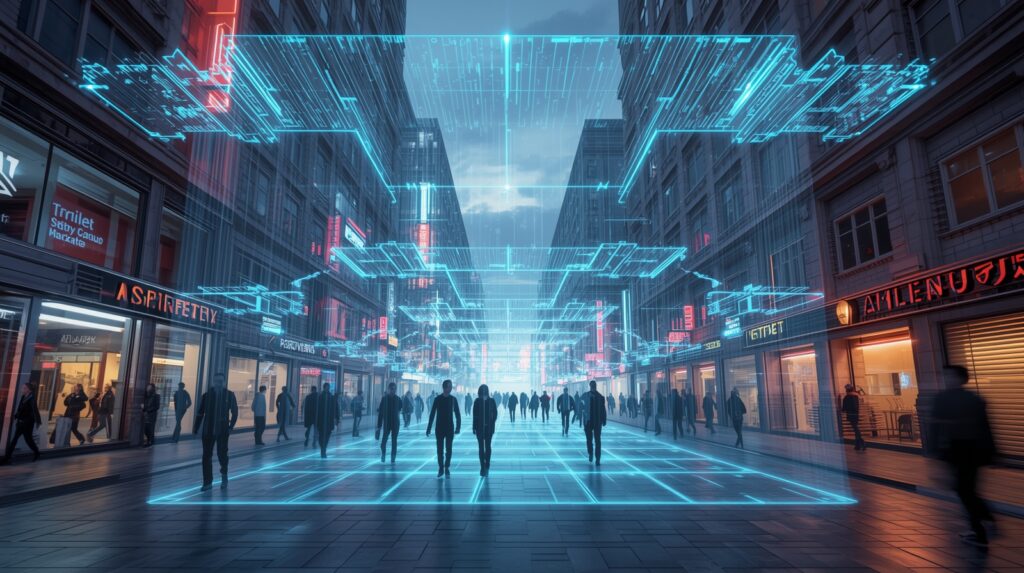
The future of Spatial Computing technology looks extremely promising. Soon, we’ll see lightweight AR glasses, AI-powered assistants, and virtual spaces for meetings or learning. According to Apple’s official Vision Pro announcement, spatial computing is redefining immersive digital experiences for users. In addition, industries will integrate Spatial Computing into smart homes, education, and entertainment. Therefore, this shift will redefine how humans interact with technology — making it feel natural and immersive.
Apple’s innovation in AI-driven devices is setting new standards for smart technology. Discover more in our blog on Apple Revolutionary iOS 19 AI Features – Smarter, Faster, More Human.
Conclusion
To conclude, Spatial Computing technology represents the next leap in human-computer interaction. It goes beyond screens, bringing digital information into the physical world. As adoption increases, this technology will shape everything — from how we work to how we imagine. So, embracing Spatial Computing today means stepping into a future where reality and imagination become one.