
Introduction: The Age of Digital Companions
In 2025, technology goes automation – it understands you. AI personal agents are evolving from simple virtual assistants into digital partners that think, learn, and act on your behalf. These smart systems combine machine learning, natural language processing, and predictive analytics to create personalized, seamless experiences.
Imagine waking up and your AI assistant has already checked your calendar, ordered your groceries, and adjusted your home temperature. This isn’t science fiction — it’s today’s reality. The global AI market is rapidly expanding, and personal agents like ChatGPT, Google Assistant, and Microsoft Copilot are leading the transformation. They’re not just tools; they’re ecoming an integral part of daily life.
The Rise of AI Personal Agents
AI personal agents are driving a major shift in how humans interact with technology. Unlike earlier assistants that waited for commands, modern AI systems act proactively — they predict needs and perform tasks automatically.
OpenAI’s GPT-powered tools schedule meetings, summarize texts, and draft detailed reports with remarkable accuracy.
Similarly, Google Assistant’s ecosystem is expanding into connected homes and smart vehicles, creating an integrated digital environment. Moreover, these agents are learning emotional intelligence. They can recognize your tone, stress levels, and habits, making their responses more empathetic and human-like. This emotional connection allows them to not just execute tasks but to enhance your decision-making experience.
Ultimately, this evolution is personal. In essence, AI personal agents are moving us toward a world where every user has a customized digital twin — a virtual version that understands your goals and acts accordingly.
Transforming Everyday Life with AI
From morning to night, people now rely on AI-powered personal agents in every digital routin. They can manage emails, automate shopping, track your sleep, and even monitor health using IoT-integrated sensors. For instance, your AI agent can connect to your smartwatch, track your heart rate, and recommend meditation breaks when stress levels rise.
Furthermore, it can analyze your calendar to optimize your schedule, ensuring you get enough rest and focus time. In smart homes, assistants like Alexa and Siri now adjust lighting, temperature, and music based on user mood.
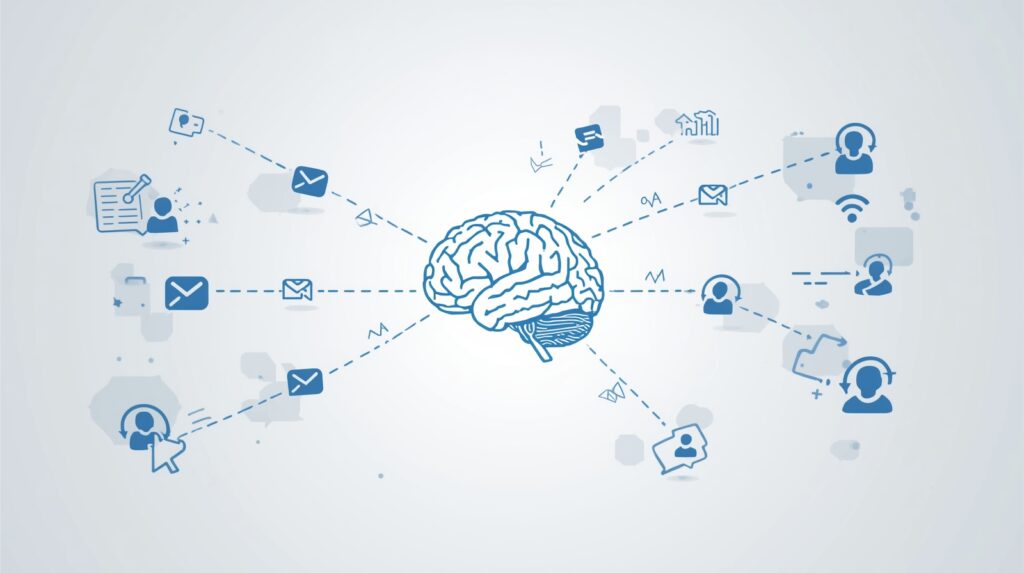
They are blending convenience with personalization, creating a stress-free environment. Additionally, in finance and productivity, AI personal agents are handling bill payments, creating to-do lists, and even reminding users about subscription renewals. The seamless coordination between AI, IoT, and data analytics is changing how people interact with technology — making life smarter, smoother, and simpler.
Revolutionizing the Future of Work
AI personal agents are transforming the way professionals work. They now handle repetitive tasks like writing emails, summarizing meetings, and scheduling client calls — giving people more time for creativity and strategy. Teams use tools such as Microsoft Copilot, Notion AI, and Jasper to draft proposals, analyze data, and manage productivity dashboards.
These agents constantly learn from user behavior and improve the quality of support with every interaction. Today, industries including healthcare, marketing, and education actively use AI-powered assistants to boost accuracy, productivity, and speed.
For example- A doctor’s digital assistant might instantly summarize a patient’s medical history, while a teacher’s AI can generate personalized study plans for students. Moreover, these intelligent agents foster collaboration by providing real-time insights, reminders, and actionable suggestions. They’re not just automating tasks — they’re transforming the very fabric of work itself.
Balancing Progress with Ethics and Privacy
With great innovation comes great responsibility. As AI agents handle sensitive information, data privacy and ethical use have become crucial concerns. These systems actively collect personal data, from health stats to voice commands, prompting users to question how securely they store this information.
To address this, global tech leaders are implementing AI ethics frameworks that promote fairness, transparency, and accountability. Governments are also introducing policies like the EU AI Act to ensure responsible AI usage. Another major challenge is bias in machine learning algorithms.
If trained improperly, these agents can reflect human biases, affecting decisions in areas like recruitment or finance. Therefore, the development of unbiased, transparent AI models is essential to maintain trust. Still, the benefits outweigh the risks when AI is built ethically. Consequently, users gain confidence, and AI personal agents can truly serve as dependable digital partners.
The Road Ahead: From Assistants to Digital Partners By 2030
By 2030, experts predict that AI personal agents will evolve into fully functional digital twins — virtual extensions of human intelligence. These agents will not just follow instructions; they’ll make decisions, learn from outcomes, and adapt over time.
Through the fusion of AI, IoT, and big data, these systems will understand context deeply — your goals, emotions, and habits — allowing hyper-personalized interactions. Imagine your agent knowing when to mute notifications during focus sessions or reminding you to drink water when dehydrated.
These small yet intelligent actions make technology more human than ever before. In short, AI personal agents are no longer just assistants — they’re becoming collaborative partners shaping the future of personal and professional growth.
- If you are planning to start a website, this beginner-friendly guide explains how to buy a domain name in 2025 the right way.
AI Personal Agents and Human Collaboration
The rise of AI-powered personal agents marks the beginning of a new digital era — one where machines think alongside humans. From managing tasks to understanding emotions, these intelligent partners redefine convenience, productivity, and personalization.
However, as we move forward, maintaining a balance between innovation, ethics, and privacy will be the real challenge. By embracing AI responsibly, society can unlock a future where technology enhances human potential rather than replaces it.
Ultimately, AI-powered personal agents reflect human intelligence. They simplify life, boost productivity, and create smarter, more connected futures.