
Introduction
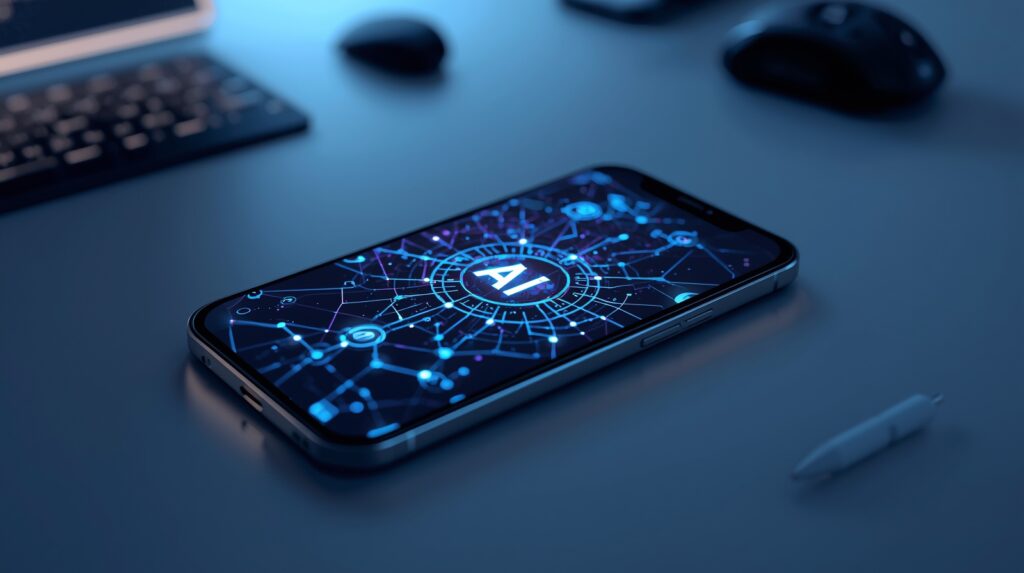
Artificial Intelligence has become an essential part of modern smartphones. However, many users still believe that AI features require a constant internet connection to function properly. This is where On-Device AI changes everything.
On-Device AI allows smartphones to process artificial intelligence tasks directly on the device, without sending data to cloud servers. As a result, smartphones become faster, more private, and more reliable.
In this blog, we will explore what On-Device AI is, how it works, why it matters for privacy, and how it is shaping the future of smartphones worldwide.
What Is On-Device AI?
On-Device AI refers to artificial intelligence models that run locally on a smartphone’s hardware instead of relying on cloud-based servers. This means data processing happens inside the device itself.
For example
When you unlock your phone using face recognition or search photos in your gallery, On-Device AI analyzes the data instantly without uploading it to the internet. This local processing improves speed while keeping sensitive information secure.
Because of this, On-Device AI is becoming a key feature in modern smartphones.
- On-Device AI works closely with concepts like AI Agents and Autonomous Artificial Intelligence, which are designed to perform tasks independently on modern devices.
How On-Device AI Works in Smartphones
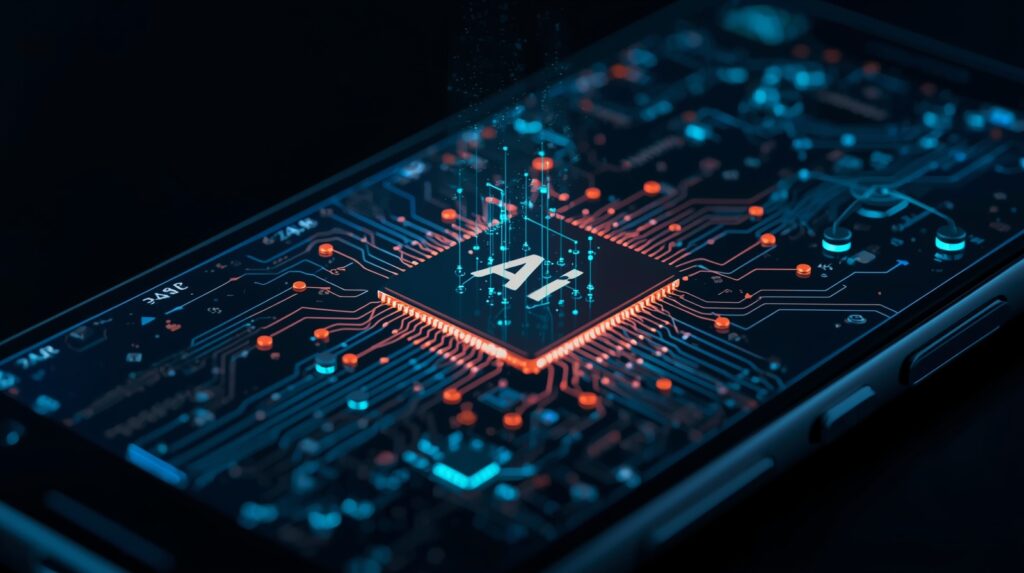
Modern smartphones are equipped with advanced processors that go beyond traditional CPUs. These devices include AI-dedicated chips, often called NPUs (Neural Processing Units) or AI engines.
When an AI task is initiated, such as voice recognition or image enhancement, the phone’s AI processor handles the computation locally. This process reduces latency and ensures smooth performance even when there is no internet connection.
As smartphone hardware continues to improve, On-Device AI capabilities are becoming more powerful and efficient.
On-Device AI vs Cloud AI
The biggest difference between On-Device AI and Cloud AI lies in where data is processed.
Cloud AI sends user data to remote servers for processing, which can introduce delays and raise privacy concerns. In contrast, On Device AI keeps data within the smartphone, ensuring faster response times and better data security.
While Cloud AI is useful for handling complex tasks, On Device AI is ideal for daily smartphone functions that require speed, reliability, and privacy.
Why On-Device AI Is Important for Privacy
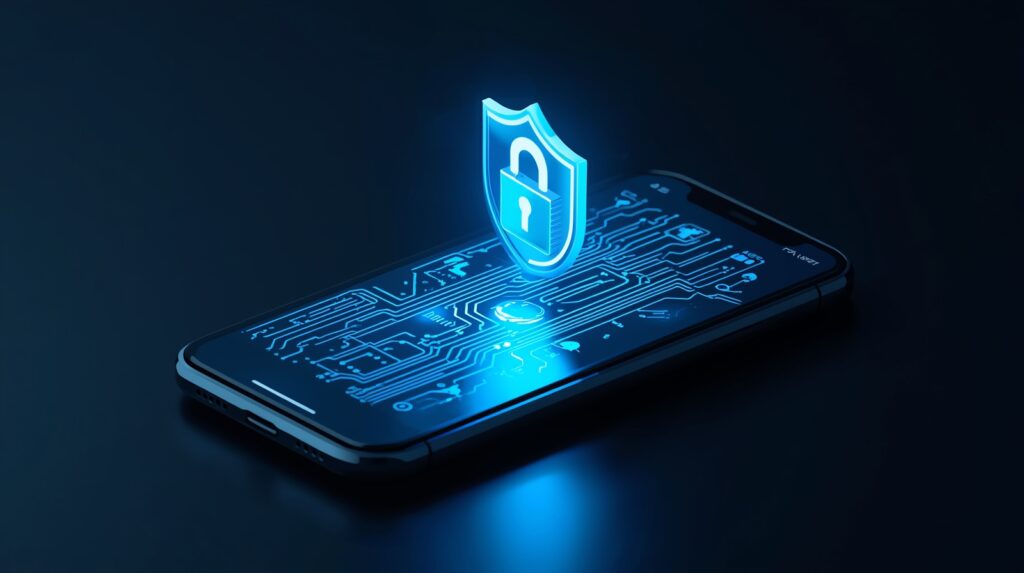
Privacy has become a major concern for smartphone users worldwide. On Device AI significantly improves privacy by minimizing data sharing with external servers.
Since
Photos, voice commands, and personal data are processed locally, users maintain greater control over their information. This approach reduces the risk of data breaches and unauthorized access.
As a result, companies like Apple, Google, and Samsung are prioritizing On Device AI to strengthen user trust.
Real-Life Examples of On-Device AI
On Device AI is already widely used in everyday smartphone features, including:
- Face unlock and fingerprint recognition
- AI-powered camera enhancements such as portrait and night mode
- Offline voice typing and language translation
- Smart battery optimization
These features continue to function smoothly even without an internet connection, improving the overall user experience.
On-Device AI in Android vs iOS
Both Android and iOS platforms are heavily investing in On Device AI technologies.
Android smartphones use AI for camera processing, real-time transcription, and smart replies. Many of these features rely on on-device computation to deliver fast and accurate results.
iOS devices, on the other hand, leverage Apple’s custom-designed AI chips to enhance privacy and performance. This strategy allows iPhones to deliver AI features while maintaining strict data security standards.
Future of On-Device AI in Smartphones
The future of On Device AI looks extremely promising. As AI processors become more advanced, smartphones will handle even more complex tasks locally.
Expected future developments include:
- Real-time language translation without internet
- Advanced personal AI assistants
- AI-powered health monitoring
- Offline content creation and editing tools
These advancements will reduce dependency on cloud services and make smartphones more intelligent than ever.
Benefits of On-Device AI for Users
On Device AI offers several advantages that directly benefit users:
- Faster AI performance
- Improved battery efficiency
- Enhanced privacy and security
- Reduced dependence on internet connectivity
These benefits make smartphones more reliable and user-friendly in everyday situations.
Is On-Device AI the Future of Smartphones?
Yes, On Device AI represents the future of smartphone technology. It delivers a balance of performance, privacy, and convenience that cloud-based AI cannot always provide.
As more manufacturers adopt this approach, On Device AI will become a standard feature in smartphones across all price segments.
- As AI evolves, technologies such as AI Wearables and Smart Glasses are also benefiting from on-device processing to improve speed and privacy.
Conclusion
On Device AI is not just a feature; it is a technological shift that is redefining smartphones. By processing AI tasks locally, smartphones become faster, safer, and more efficient.
As artificial intelligence continues to evolve, On Device AI will play a central role in shaping the next generation of smartphones, offering users a smarter and more secure digital experience.