
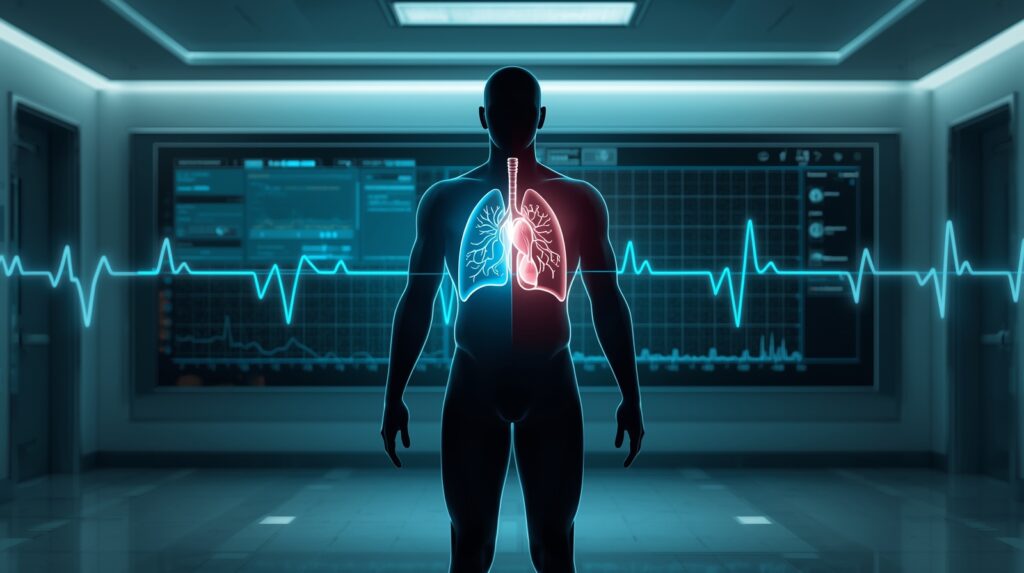
Introduction — When AI Meets the Human Body
Artificial Intelligence has already changed how we work, learn, and connect. However now, it’s beginning to transform something even more personal — our health. In fact, one of the most exciting breakthroughs is Bio-Digital Twins. This futuristic AI-driven concept creates a virtual copy of your body, helping doctors and scientists understand your health in real-time. Ultimately, it’s like having a smart digital version of yourself that never sleeps — continuously analyzing your body data
- Learn more about Agentic AI and how it’s shaping the future here.
What Exactly Are Bio-Digital Twins?
A Bio-Digital Twin is a detailed digital model of a real human being. By combining data from smartwatches, medical sensors, and AI systems, it simulates how your organs, blood, and even your brain react to certain conditions. For instance, if your heart rate suddenly increases, your digital twin can detect the cause — whether it’s stress, fatigue, or a medical issue — and alert you before it becomes serious. As a result these virtual humans are helping doctors test new treatments and predict diseases long before symptoms appear.
How Do Bio-Digital Twins Work?
To create a Bio-Digital Twin, AI collects your health information through wearables and hospital databases. The data includes everything from heartbeat and sleep cycles to emotional patterns. Then, AI uses predictive models to simulate how your body would respond to medicines, exercises, or even stress. Imagine your digital twin warning you that a particular diet might raise your sugar levels. That’s how AI ensures smarter decisions about your health — before problems happen.
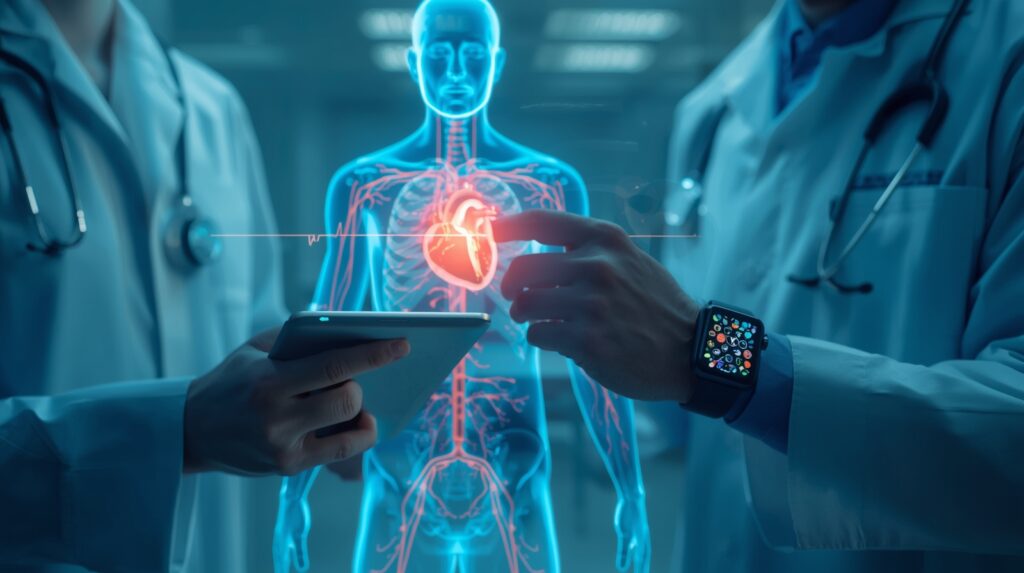
AI, Data, and Human Emotions
Beyond that, Bio-Digital Twins aren’t only about physical health. They also study emotional and mental patterns. Morever, AI can analyze facial expressions, voice tones, and stress signals to understand how you feel. This emotional intelligence allows virtual twins to recommend relaxation methods, sleep adjustments, or even changes in your routine. In short, It’s like having a friendly digital guide that truly feels your emotions.
Real-World Uses in Medicine
Currently, hospitals and research labs are already testing Bio-Digital Twins to improve patient care. For instance, doctors use them to simulate surgeries, predict recovery times, and monitor patients remotely. Similarly, in sports, athletes use digital twins to monitor injuries and optimize performance. Pharma companies also rely on them to test how new drugs will affect different body types — reducing risks and time in clinical trials. As a result, this innovation saves money, time, and human lives.
The Role of IoT and Big Data
AI alone can’t power these twins — it needs help from the Internet of Things (IoT) and Big Data. Connected devices like fitness trackers and smart medical tools feed continuous information to AI systems. Meanwhile, Big Data helps organize and compare billions of records to find patterns that humans might miss. Together, they make Bio-Digital Twins more accurate and reliable every day.
- If you are planning to start a website, this beginner-friendly guide explains how to buy a domain name in 2025 the right way.
The Benefits of Bio-Digital Twins
The impact of this technology is massive. Early disease detection, personalized treatment plans, lower healthcare costs, remote patient monitoring, and faster medical research are just the beginning. Beyond that, it also empowers people to take control of their own health — using data as a daily guide toward better living.
The Challenges and Concerns
Like every innovation, there are challenges too. Data privacy and security are major concerns. If health data is hacked or misused, it could create serious risks. Therefore, companies developing these systems must ensure strong data protection, transparency, and ethical AI practices. Another issue is accessibility — will these technologies be affordable for everyone or only for the rich? That’s a question we must solve as we move toward AI-powered healthcare.
The Future Ahead — Humans and AI Together
The rise of Bio-Digital Twins 2025 shows that AI is not replacing humans — it’s enhancing them. Soon, every person could have a personal digital assistant who knows their bod better than they do. Ultimately, this could lead to a world where no disease goes undetected and treatments are tailored for every individual. It’s the next big step in the fusion of biology and artificial intelligence.