
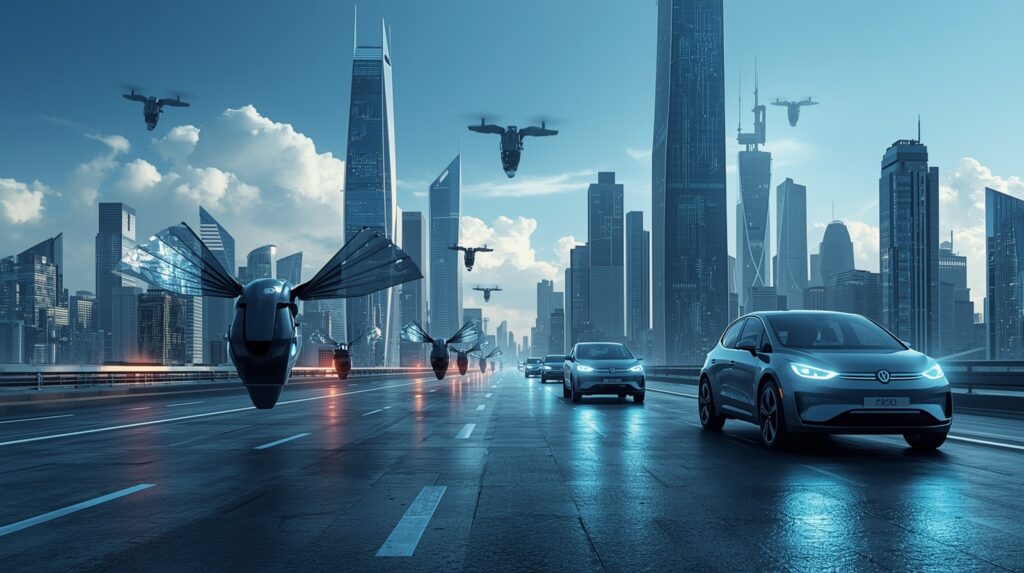
Introduction: The Rise of Automation Beyond Cars
Automation has advanced far beyond the concept of self-driving cars. In 2025, autonomous systems and robotics are becoming essential across multiple industries, from healthcare to logistics. These intelligent machines, powered by artificial intelligence and machine learning, are now capable of making real-time decisions with minimal huma input.
Moreover,
Organizations are adopting autonomous robots to improve productivity, reduce human error, and ensure safer work environments. Companies like Amazon, Tesla, and Boston Dynamics are pioneering this shift, proving that the age of automation is no longer futuristic — it’s already here.
- Learn more about Agentic AI and how it’s driving automation
Warehouse and Industrial Robotics
The industrial sector is one of the biggest adopters of automation. Modern autonomous robots are now managing warehouses, assembling products, and performing complex quality checks.
For instance,
Amazon’s warehouse robots can move thousands of packages efficiently without human supervision, while BMW’s manufacturing robots handle precision tasks.
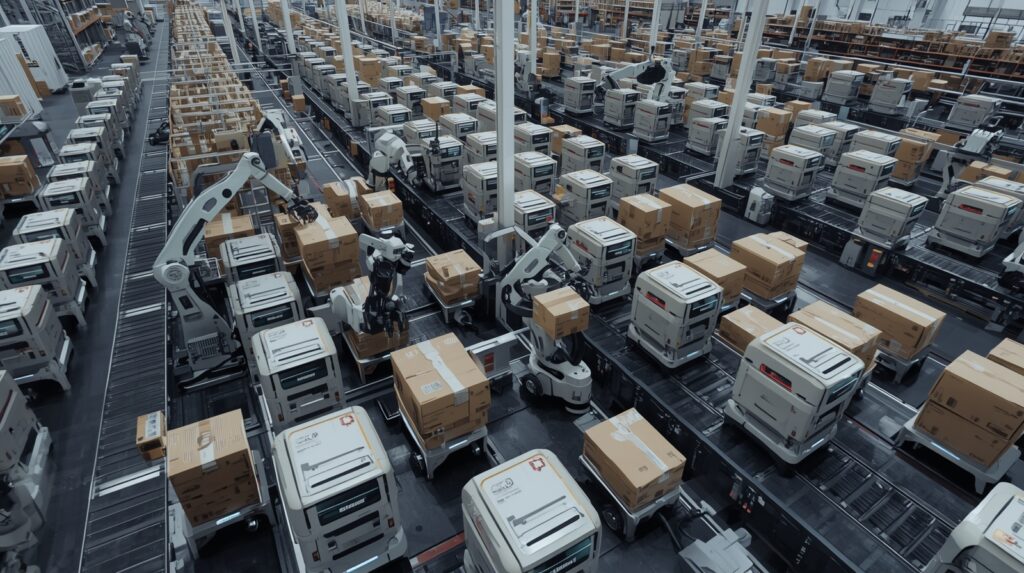
These advancements reduce operational costs and increase productivity. Furthermore, robotics integrated with IoT sensors allow seamless coordination between human workers and machines, creating smarter factories with fewer delays and higher safety standards.
Drones and Delivery Automation
While self-driving cars attract attention, autonomous drones and delivery robots are the real stars of 2025. Major logistics companies, including FedEx, Amazon, and Zipline, are testing delivery robots capable of navigating urban streets safely. These AI-powered systems use sensors, LiDAR, and GPS to optimize routes and ensure safe deliveries, even in unpredictable environments.
For rural and emergency deliveries, drones are saving both time and lives by reaching areas faster than any traditional method. Consequently, the combination of AI, data analysis, and automation is revolutionizing logistics forever.
Service Robotsics in Everyday Life
The role of autonomous service robots is rapidly expanding into areas like hospitality, healthcare, and education. Hospitals now employ robotic nurses that deliver medication and assist doctors. Similarly, hotels are using robots to deliver food or guide guests.
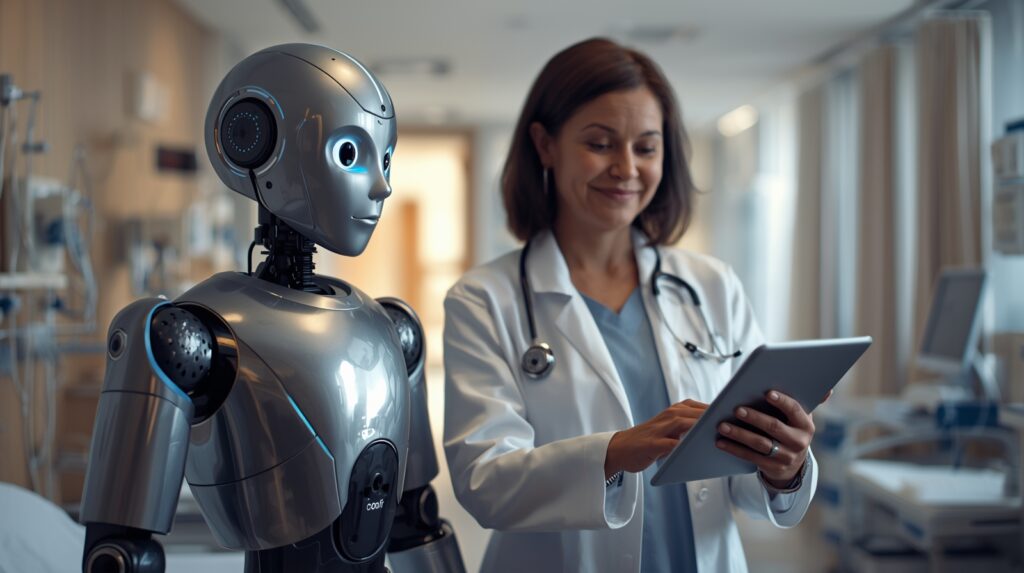
In Japan and the US, humanoid robots are even teaching basic language skills in classrooms — blending technology and human interaction seamlessly. Moreover, AI integration allows these robots to learn user preferences, respond to emotions, and perform customized actions — bringing humanity and technology closer than ever before.
The Global Impact of Robotics
Globally, autonomous systems and robotics 2025 are shaping economic and social frameworks. According to McKinsey, automation could contribute over $15 trillion to the global economy by 2030. However, it also raises important ethical and employment questions.
While robots enhance productivity, they may replace repetitive human roles, forcing a shift toward more creative and technical careers.
Nevertheless
Countries that embrace automation early will likely gain a strong competitive advantage. Governments and organizations are now investing heavily in skill development programs to prepare the workforce for this technological transformation.
Conclusion: A Smarter, Collaborative Future
The evolution of autonomous systems and robotics 2025 signifies a collaborative future where humans and machines work together. Automation is enhancing industries, transforming economies, and redefining convenience. As we move forward, the goal is not just smarter technology, but smarter integration — ensuring that robotics continues to improve lives while maintaining ethical responsibility.
Hence, the next phase of progress depends not on how intelligent machines become, but on how intelligently we use them to shape a balanced and sustainable future.